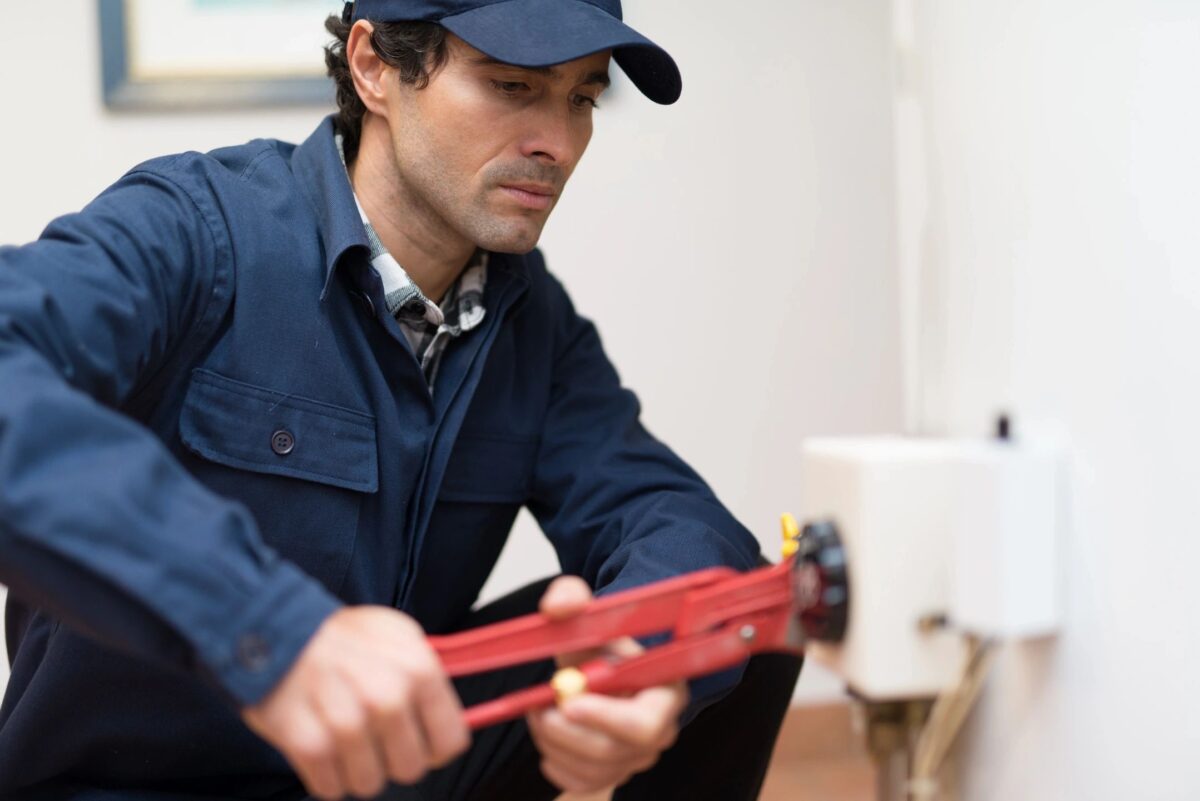

If your trusty old water heater has started acting up — cold showers, strange noises, or just plain refusing to do its job — it might be time to get a new one installed. Installing a water heater might not be the most exciting home project, but knowing what to expect can take the stress out of the process. Especially here in Southern California, where everything from the climate to local regulations can influence how your water heater installation goes down.
Let’s walk through the installation journey so you can be prepared, informed, and maybe even a little entertained (because who says home repairs can’t have a bit of fun?).
Why Installing a Water Heater in Southern California Is a Bit Unique
Southern California is famous for its beautiful beaches and endless sunshine, but did you know it also comes with some unique challenges for water heaters? For starters, a great many homes here have hard water — that’s water packed with minerals like calcium and magnesium. While hard water is great for your bones, it’s not so great for your plumbing or your water heater. Mineral deposits can build up inside the tank, reducing efficiency and potentially causing damage over time.
So when installing a new water heater in Southern California, it’s often a good idea to discuss water quality with your plumber. They might suggest installing a water softener or a filtration system to protect your new investment.
Step 1: Choosing the Right Water Heater for Your Home
Before the installation team shows up, you’ll want to decide which type of water heater fits your needs. There are a few popular options for Southern California homeowners:
Traditional tank water heaters: These store hot water in a tank, so you have it ready whenever you need it. They’re usually less expensive upfront but can take up more space and use more energy.
Tankless water heaters: These heat water on demand, which means you don’t have to wait for a tank to fill up. They save space and can reduce energy bills but cost more initially.
Heat pump water heaters: These use the surrounding air to heat water, making them super energy-efficient — a great fit for Southern California’s mild climate.
Choosing the right system depends on your household’s size, budget, and energy goals. And yes, your plumber will be your best friend here.
Step 2: Preparing for Installation Day
Once you’ve picked your water heater, the next step is getting ready for the big day. Professional installers will typically:
Inspect your current setup: They’ll check your existing water heater, plumbing, and electrical or gas lines to plan the swap.
Remove the old water heater: Don’t worry — although it might be a little noisy and messy, pros know how to handle this efficiently.
Make any necessary adjustments: Sometimes your new water heater requires different hookups, updated wiring, or gas line changes. Southern California’s building codes are strict, so installations need to meet those safety standards.
Pro tip: Clear the area around your water heater before installation day to give the technicians plenty of room to work.
Step 3: The Installation Process
Installing a water heater typically takes a few hours, but the timeline can vary based on the type of heater and any additional plumbing or electrical work required.
Here’s what generally happens:
The new water heater is carefully placed in its home — be it your garage, utility closet, or outside wall.
Installers connect the water and power or gas lines, ensuring everything is tight and leak-free.
They test the system thoroughly, making sure the heater warms water properly and safely.
In Southern California, water heaters must also be secured with seismic straps — earthquake safety is a serious matter here!
Step 4: What to Expect After Installation
Once the installation is complete, your new water heater should deliver reliable hot water almost immediately. But keep in mind:
It might take an hour or so for the tank to fill and heat the water to the right temperature.
You’ll want to monitor the system for the first few days to ensure everything is running smoothly — no leaks, odd noises, or temperature issues.
Southern California’s hard water can cause mineral buildup over time, so scheduling regular maintenance like flushing the tank or descaling a tankless system is key to keeping your water heater running efficiently.
Bonus Tips for Southern California Homeowners
Check for rebates and incentives: California often offers rebates for energy-efficient water heaters, like heat pumps or solar-compatible models. It’s worth asking your installer or local utility about savings programs.
Be mindful of energy efficiency: New regulations encourage more efficient water heaters that reduce energy use and lower your bills.
Schedule routine maintenance: Regular checkups extend your water heater’s life and prevent costly repairs down the line
Final Thoughts
Installing a new water heater in Southern California doesn’t have to be a stressful experience. With a little preparation and the right professional help, you’ll soon be enjoying consistent hot water without those frustrating cold surprises.
Get started today and reach out to the pros over at On Call Water Heaters!